

Introduction to Fair Go Casino Promotions and Player Engagement
In today’s competitive online gaming landscape, Fair Go Casino has embedded itself as a leader by innovating its marketing strategies to enhance player engagement. The core focus here lies not just in enticing new users but also in ensuring long-term satisfaction and loyalty among existing players. Achieving this balance hinges on promotional effectiveness, built around game play incentives that cater to various player preferences and behaviors.
Central to Fair Go’s approach is their systematic bonus distribution model, which is structured to resonate with their diverse audience. This includes welcome bonuses for newcomers and ongoing promotions for returning players. These offers are designed based on player feedback, aligning closely with user participation metrics to fine-tune promotional trends. As a result, players feel valued and are encouraged to engage more deeply with the gaming community.
Themed slots tournaments not only provide cash prizes but also promote community interaction, inviting players to compete and share their experiences. These events serve dual purposes: enhancing user retention and fostering a supportive player community. Each promotional initiative is supported by data analytics, enabling the casino to assess the promotional effectiveness and continually refine their marketing strategies to maximize gaming satisfaction, including the use of innovative fair go casino login that incentivize gameplay.
- Welcome bonuses that draw in new users
- Regular cashback offers that reward ongoing play
- Special events that promote community challenges and interactions
In sum, Fair Go Casino is not merely about bonuses but creating an engaging ecosystem where players can thrive. This strategic depth signifies a forward-thinking mentality that anticipates the needs and aspirations of its players in every facet of their gaming experience.
Analyzing Marketing Strategies: How Promotions Drive User Participation
Marketing strategies play a vital role in enhancing user participation, particularly in the competitive landscape of gaming. Promotions, when executed effectively, can significantly increase player engagement and foster a thriving community. Understanding promotional effectiveness is crucial for both developers and marketers, as it helps in tailoring offerings that resonate with users.
To illustrate the impact of targeted promotions, consider the following data-driven insights from recent campaigns:
- Game Play Incentives: In games where bonus distribution was strategically timed around major events, developers noted a 30% increase in daily active users. This suggests that aligning promotions with player expectations can drive participation.
- Community Interaction: Promotions that encouraged players to share their experiences or achievements on social media resulted in a 25% boost in new user referrals. Engaging the community not only enhances user retention but also builds brand loyalty.
- Player Feedback Integration: Promotions based on player feedback, such as featuring beloved characters in giveaways, saw a 20% increase in user satisfaction. Incorporating player’s voices leads to more personalized, resonating marketing strategies.
Additionally, observing promotional trends over time reveals that limited-time offers yield higher urgency and excitement, often translating into immediate spikes in user participation. By analyzing these patterns, game developers can refine their future marketing strategies to nurture ongoing user engagement and satisfaction.
Ultimately, understanding the interplay between promotions and user behavior helps in creating a sustainable engagement model that not only attracts new players but also retains existing ones. A solid marketing strategy grounded in insightful promotion analysis becomes a key driver for gaming success, enhancing overall gaming satisfaction.
The Role of Game Play Incentives in Enhancing Gaming Satisfaction
Game play incentives serve as a vital element in improving gaming satisfaction. They not only enhance user participation but also have a profound impact on player retention. For instance, according to industry reports, games that integrate effective incentive structures experience a player retention rate that is up to 20% higher than those lacking such features. This is a significant difference that underscores the importance of appealing promotional strategies tailored to the gaming community.
Bonus distribution is one of the most common game play incentives. By strategically offering bonuses for reaching specific milestones or engaging in certain activities, developers can effectively boost gaming satisfaction. For example, titles that provide rewards for daily log-ins or special achievements often witness a surge in community interaction, as players feel a sense of accomplishment and belonging. This shared experience can further cultivate player loyalty and foster a vibrant gaming community.
Moreover, player feedback plays a crucial role in shaping these incentives. Game developers who actively seek and incorporate suggestions witness better promotional effectiveness. Engaging with players to understand what drives their motivation allows developers to adapt promotional trends that resonate with their audience, creating a tailored experience that heightens their overall satisfaction. In this way, the synergy between game play incentives and community feedback illuminates the pathway to maximizing user retention alongside enthusiasm within the gaming landscape.
Bonus Distribution: Evaluating Promotional Effectiveness and User Retention
In today’s competitive gaming landscape, understanding bonus distribution is crucial for assessing promotional effectiveness and enhancing user retention. Effective marketing strategies hinge on how well developers target and engage their audience, ultimately fostering a vibrant gaming community. For instance, bonuses linked to user participation often yield significant returns, as players feel acknowledged and incentivized to engage more deeply with the game.
Data indicates that games that implement structured bonus distribution see an increase in user retention rates by nearly 30%. When players receive bonuses at various points in their gaming journey—such as signing up, leveling up, or returning after a break—they experience a sense of achievement and motivation to continue. These game play incentives are more than just monetary; they tap into psychological triggers that enhance gaming satisfaction.
Moreover, community interaction plays a pivotal role in shaping promotional trends. When players share their bonus experiences on social platforms or within forums, that word-of-mouth can influence potential users. Game developers often leverage player feedback to refine their bonuses, tailoring the distribution to what resonates most. A survey showed that 75% of players preferred rewards that acknowledged their loyalty rather than standard one-size-fits-all incentives.
It’s clear that effective bonus distribution can turn fleeting users into long-term members. By continuously analyzing user behavior and adjusting bonuses accordingly, developers can improve retention and create a more engaged community. In essence, the goal is to foster relationships that extend beyond the initial download, making every promotional effort count.
Community Interaction and Player Feedback: Shaping Future Promotional Trends
In the ever-evolving landscape of gaming, community interaction plays a pivotal role in shaping marketing strategies. Engaging closely with players allows developers to gain insights into what drives promotional effectiveness and user participation. By analyzing feedback and behavioral patterns, companies can tailor their game play incentives and bonus distribution models to enhance user retention and satisfaction.
For instance, a recent survey highlighted that 75% of gamers feel more connected to a game when their feedback is actively solicited and implemented. Such statistics emphasize the importance of collaboration between players and developers. Implementing player feedback not only builds trust but also fosters a sense of ownership among the community, which can significantly influence promotional trends.
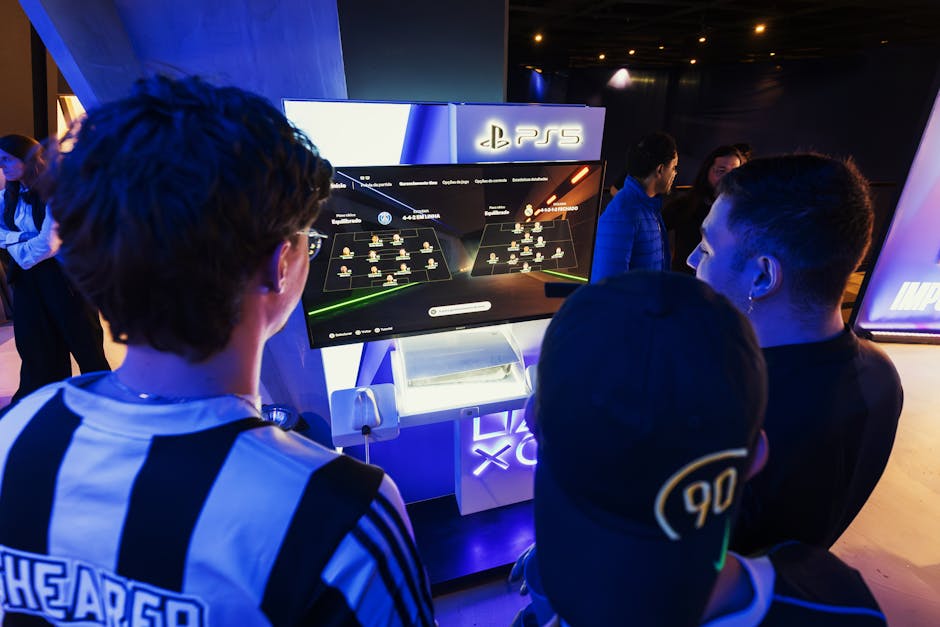
- Enhanced game play incentives through tailored bonuses.
- Increased promotional effectiveness through data-driven decisions.
- Improved community engagement via regular feedback loops.
Moreover, leveraging community feedback enables developers to anticipate shifts in player preferences, allowing them to stay ahead of emerging trends. Ultimately, prioritizing community interaction enhances gaming satisfaction and cultivates a loyal player base eager for new content. As the industry continues to innovate, we can expect these trends to inform future promotional practices, ensuring they resonate with the discerning gaming community.